How To Source Pipes And Tubes Without Costly Mistakes
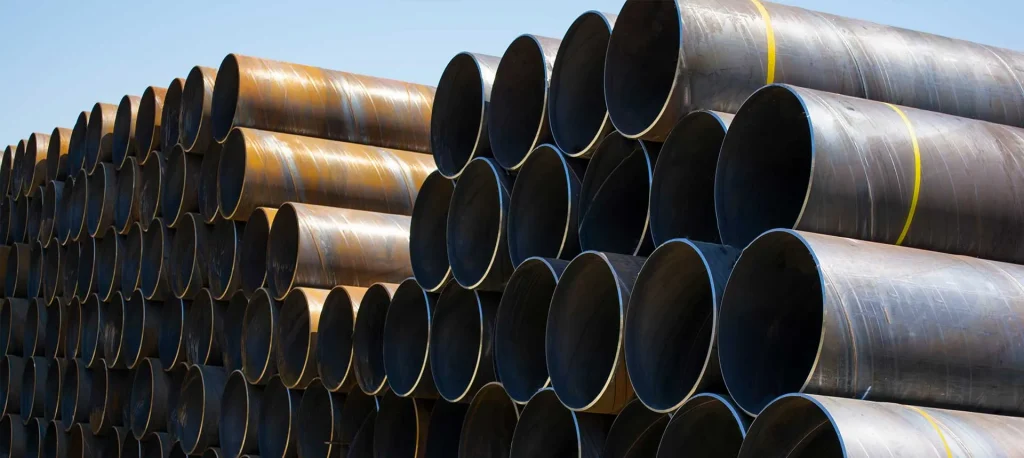
Sourcing industrial pipes and tubes without costly mistakes starts with clear specifications and vetted suppliers. Buyers who define material grades, dimensions, and testing standards early avoid expensive rework later.
Proper sourcing also means checking mill certificates and asking tough questions before signing anything. You deserve a smooth process that keeps your budget intact when you source pipes and tubes UAE.
Define your specifications first
Write down every technical detail before you contact a single supplier, covering material grade, outer diameter, wall thickness, length tolerance, surface finish, and the exact testing standard your project requires.
Vague requests invite vague quotes, and vague quotes invite costly surprises when the shipment arrives and fails inspection. A precise specification sheet also gives you real leverage during price talks because suppliers quote against the same baseline, which makes comparison honest and simple.
Vet every supplier thoroughly
Ask each potential supplier for mill test certificates, recent third-party inspection reports, and a client list you can actually call, then follow through on those references with real questions about delivery reliability and defect rates.
Visit the facility when distance allows, watch how they store and handle stock, and check that their quality control process runs on documented procedures instead of verbal promises. A supplier who hesitates to share paperwork or dodges your questions about traceability tells you plenty before you spend a single dollar.
Inspect before you pay in full
Build a pre-shipment inspection into every purchase agreement and hire an independent inspector when the order value justifies the cost, because catching a dimension error or a heat-number mismatch at the mill costs far less than catching it at your job site.
Photograph the markings, verify the certificates against the physical goods, and hold back final payment until the inspection report clears every line item. This single habit saves companies enormous sums every year and keeps project schedules honest.
Lock down delivery terms
Spell out packaging standards, shipping deadlines, and liability for transit damage inside the contract, and agree on a clear remedy when a shipment arrives late or short. Track each order with a named supplier contact and demand written confirmation at every stage, since loose delivery terms can turn small hiccups into expensive downtime.
Solid paperwork protects your money and your reputation with the client waiting on the other end.