Top Mobility Tools That Improve Safety During In-Home Senior Care
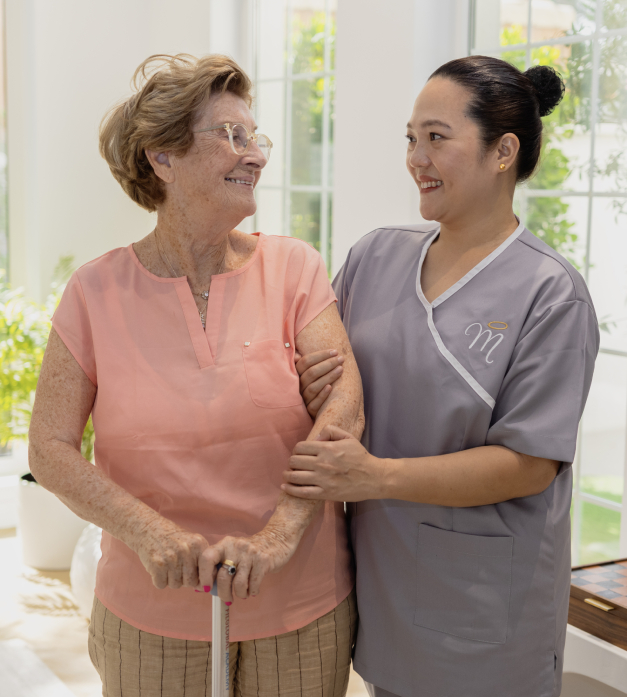
Getting around the home can become challenging for older adults when balance, strength, or mobility changes with age. Simple obstacles such as stairs, slippery floors, and narrow spaces can increase fall risk and make everyday tasks harder.
Mobility aids can add stability and support, helping seniors move more safely while maintaining as much independence as possible. Walking aids, grab bars, transfer equipment, and wheelchairs are among the tools that can make elderly care Dubai safer and more manageable at home.
1. Walking frames and rollators
Walking frames give seniors extra stability when they move around the house. Standard frames suit individuals who require firm support, while rollators feature wheels, hand brakes, and seats for resting. Caregivers should select a model that matches the senior’s height, strength, and balance. Proper fitting and regular brake checks help prevent slips and improve confidence during daily movement.
2. Wheelchairs and transport chairs
Wheelchairs support seniors who struggle with long distances or have limited walking ability. Manual models suit individuals with sufficient upper-body strength, while transport chairs help caregivers move seniors between rooms or to appointments. Correct seat sizing, secure footrests, and working brakes improve comfort and stability. Caregivers should lock the wheels before helping a senior sit down or stand up.
3. Grab bars and bathroom supports
Bathrooms present several fall hazards because wet surfaces reduce traction. Secure grab bars near toilets, showers, and bathtubs give seniors stable handholds during transfers. Professional installation helps ensure the bars can withstand the intended load, especially when installers attach them to suitable wall supports. Families should avoid relying on towel rails, which rarely provide dependable support during sudden loss of balance.
4. Transfer boards and patient lifts
Moving between a bed, wheelchair, and chair may strain both seniors and caregivers. Transfer boards help some individuals slide between nearby surfaces when they have adequate upper-body strength and follow proper transfer techniques. Patient lifts provide mechanical support when a person cannot move safely with limited assistance. A trained caregiver should assess the senior’s abilities and learn the correct equipment procedures before each transfer.
5. Non-slip footwear and floor aids
Stable footwear helps seniors maintain traction during everyday activities. Well-fitted shoes with low heels, supportive soles, and non-slip treads offer better grip than loose slippers or socks on smooth floors. Families should also remove loose rugs, secure electrical cords, and keep walking paths clear. Motion-activated night lights improve visibility during evening bathroom visits and reduce the risk of accidental falls.